
The construction landscape in 2026 is defined by a significant shift toward skills-based hiring. As traditional barriers to entry are dismantled, the industry is increasingly looking toward standardized vocational qualifications to ensure that recruitment processes are both fair and effective. This approach prioritizes what a person can actually do over where they came from or who they know. By focusing on measurable competencies, employers can tap into a wider talent pool that includes career changers, veterans, and individuals from underrepresented communities who may have previously felt excluded from the trade sectors.
Inclusive recruitment is no longer just a corporate social responsibility goal; it is a necessity for a resilient workforce. Workforce transitions are becoming more common as people move between industries in response to technological shifts and changing economic demands. To facilitate these transitions, the industry relies on frameworks that validate existing skills and provide clear pathways for development. Vocational qualifications serve as the bridge between potential and employment, offering a transparent way for candidates to demonstrate their value to prospective employers regardless of their prior background.
Reducing Bias through Competency-Based Assessment
One of the primary challenges in inclusive recruitment is the presence of unconscious bias during the hiring process. Traditional interviews can sometimes favor candidates with high levels of confidence or those who share similar social backgrounds with the interviewer. In contrast, National Vocational Qualifications (NVQs) provide a standardized benchmark that focuses strictly on technical ability and workplace performance. This shift toward objective assessment helps to level the playing field for all applicants.
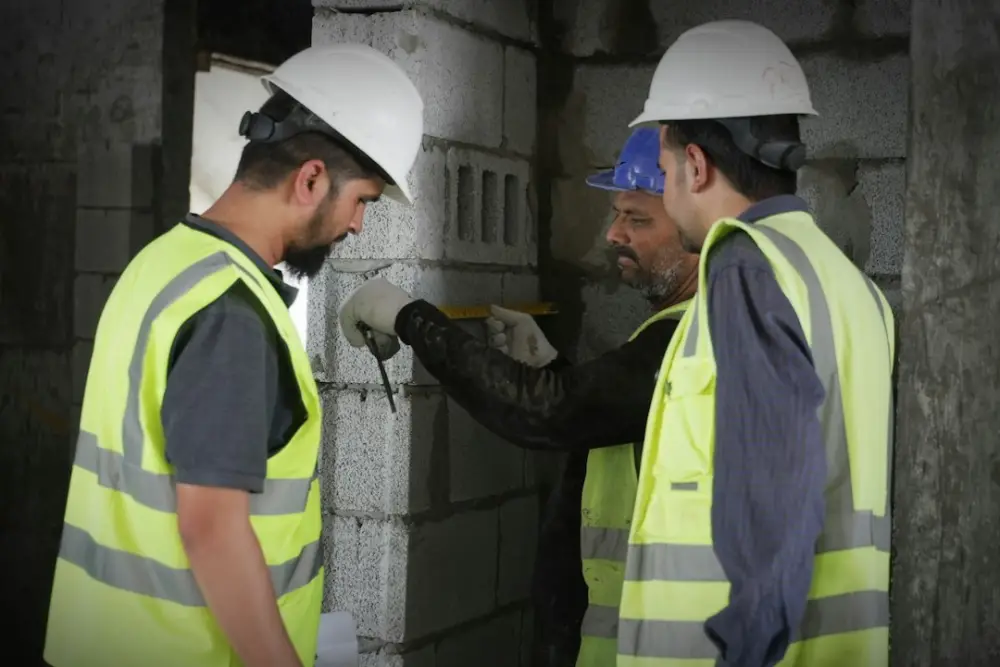
For individuals who may struggle with traditional academic environments, such as those with neurodivergent traits or those who speak English as an additional language, the practical nature of vocational assessments is particularly beneficial. These assessments often take place on-site, allowing workers to demonstrate their skills in a real-world environment. By removing the heavy reliance on written exams and focusing on practical application, the industry becomes more accessible to a diverse range of learners who possess the manual dexterity and problem-solving skills required for high-quality construction work.
Facilitating Career Transitions for Underrepresented Groups
The 2026 labor market sees a high volume of individuals transitioning from service-oriented roles into the trades. This movement is often driven by the desire for stable, well-paid work and the opportunity to contribute to tangible infrastructure projects. For a worker moving from a retail or hospitality background, the transition can be daunting. However, the modular nature of modern qualifications allows these individuals to build on their existing soft skills while systematically gaining the technical expertise needed for their new roles.
Inclusive workforce planning involves recognizing that experience in other sectors often translates well to construction. For instance, the discipline required in the military or the customer service skills honed in retail are highly valuable on a busy construction site. Standardized qualifications provide a formal structure that helps these individuals translate their diverse experiences into a language that construction managers understand. This clarity reduces the risk for both the employer and the employee, making the career pivot smoother and more sustainable in the long term.
Practical Implementation of Skills-Based Hiring
To implement an inclusive hiring strategy, recruitment teams are increasingly looking at specific certifications as a prerequisite for shortlisting. This ensures that every candidate meets a minimum safety and technical standard before they even step onto a site. When assessing candidates from non-traditional backgrounds, many hiring managers prioritize a Bricklaying NVQ as a reliable indicator of technical proficiency and safety awareness. This specific qualification confirms that the individual has been assessed by an expert and found competent in fundamental masonry tasks, which is essential for maintaining site productivity.
By using these qualifications as a baseline, companies can move away from "culture fit" hiring—which often leads to a lack of diversity—and toward "culture add" hiring. This means looking for individuals who bring different perspectives and experiences while possessing the core technical competencies verified by their NVQ. This practice not only improves diversity but also enhances the collective problem-solving capability of the team, as workers from different backgrounds approach challenges in unique ways. Please note that this article provides general information and does not constitute professional recruitment or legal advice.
Bridging the Skills Gap Through Accessible Training
The construction industry continues to face a skills gap, particularly in specialized trades. Bridging this gap requires a commitment to making training accessible to everyone, regardless of their financial or social circumstances. On-Site Assessment and Training (OSAT) has become a cornerstone of inclusive development in 2026. This model allows workers to obtain their qualifications while they are already working, which is vital for those who cannot afford to take time off for full-time study.
Accessibility also means ensuring that training providers are equipped to support a diverse range of learners. This includes providing materials in multiple formats and offering flexible assessment schedules. When training is accessible, it encourages individuals from marginalized groups to invest in their own professional development, knowing that there is a clear and achievable path to career advancement. This democratization of skill-building is essential for creating a workforce that reflects the diversity of the communities it serves.
Building a Culture of Continuous Professional Development
Inclusive recruitment is only the first step; retaining a diverse workforce requires a culture that values continuous professional development. Once a worker has entered the industry through a Level 2 qualification, there should be clear signposting for how they can progress to Level 3 and beyond. This upward mobility is crucial for ensuring that leadership roles in the future are filled by individuals from a variety of backgrounds.
Mentorship programs often play a key role in this process. Pairing a new entrant who has recently completed their initial vocational training with a seasoned professional helps to transfer knowledge and build confidence. It also provides the new worker with a sense of belonging and a vision for their future within the company. When an organization demonstrates that it is willing to invest in the long-term growth of all its employees, it fosters loyalty and reduces turnover, which is particularly important in a competitive job market.
Long-Term Benefits of Inclusive Workforce Planning
The benefits of an inclusive approach to recruitment and workforce transitions extend far beyond individual hires. Companies that embrace these practices tend to see higher levels of innovation and better safety records. A diverse team brings a variety of perspectives to site management and project planning, often identifying potential risks or efficiencies that a more homogenous group might overlook. Furthermore, in 2026, many public and private contracts require proof of social value, including evidence of inclusive hiring practices.
Ultimately, the use of standardized vocational qualifications like the NVQ framework creates a transparent, meritocratic system. It allows the construction industry to move toward a future where a worker's potential is limited only by their willingness to learn and perform. By removing arbitrary barriers and focusing on validated skills, the sector can build a more robust, skilled, and representative workforce that is prepared for the challenges of the coming decade. This commitment to inclusivity ensures that the built environment is created by a workforce as diverse as the people who will live and work within it.